
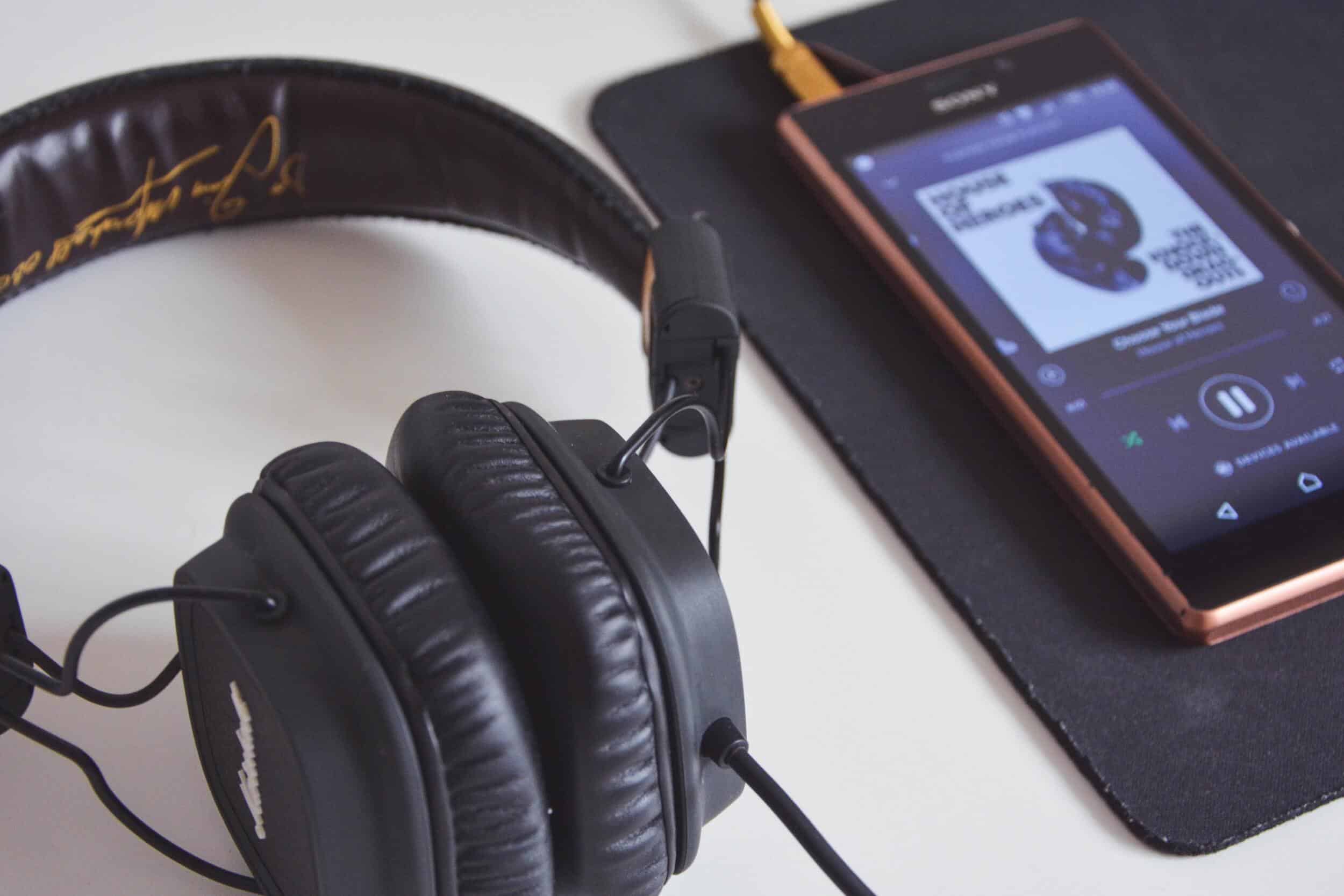
Photo by Mihis Alex: https://www.pexels.com/photo/black-corded-headphones-beside-sony-android-smartphone-21022/
Do you suffer from migraines? If so, you know how debilitating they can be. Traditional treatments like painkillers often don’t provide relief, and many people are looking for alternative solutions. One option that has been gaining popularity in recent years is binaural beats for migraine relief. Binaural beats are sounds that are designed to help you relax and relieve stress. They have been shown to be effective for a variety of conditions, including anxiety, insomnia, and even migraine headaches. In this blog post, we will discuss the science behind binaural beats and how they can help relieve migraine pain.
Brain waves – an overview
There are five different types of brain waves: gamma, beta, alpha, theta, and delta. Each one has a different frequency and is associated with a different state of mind.
-Gamma waves have the highest frequency and are associated with high levels of mental activity. They are often present during states of intense focus or concentration.
-Beta waves have a lower frequency than gamma waves and are associated with more relaxed states of mind. They are often present during everyday activities like walking or talking.
-Alpha waves have an even lower frequency than beta waves and are associated with relaxation and meditation. They are often present when we are daydreaming or in a restful state.
-Theta waves have a lower frequency than alpha waves and are associated with deep relaxation and sleep. They are often present during REM sleep or when we are in a meditative state.
-Delta waves have the lowest frequency of all and are associated with deep, dreamless sleep. They are often present when we are in deep dream state.
The different types of brain waves are produced by different parts of the brain. Gamma waves, for example, are produced by the thalamus, while beta waves are produced by the cortex. Each type of wave has a different function and can be used to help us achieve different states of mind.
How does the brain react to binaural beats for migraine?
Binaural beats work to provide migraine relief by creating delta waves or theta waves that elicit a calming effect on the mind and body. The theory works like this: each ear listens to a specific frequency, from which the brain produces an auditory illusion of a third tone. In theory when this happens, the person’s brainwaves begin to follow the beat, which can create a state of deep relaxation. Brainwave entrainment from listening to binaural beats can alter electrical activity in the brain to resemble theta waves, which are evoked during meditation.
Binaural beat technology can help to relieve stress and tension headaches. Binaural beats have been shown to be effective for migraines, as well. In one study, migraine sufferers who used binaural beats for 30 minutes a day for three months reported a significant decrease in the severity of their migraines. With binaural beats headache frequency can decrease.
Do binaural beats work for migraines? If you are looking for an alternative treatment for your chronic migraines, binaural beats for migraine may be worth trying. While more research is needed to confirm their efficacy, some preliminary evidence suggests they can help relieve migraine pain. If you give them a try, be sure to listen to binaural beats at a low volume to avoid any potential headaches. And if you find relief, be sure to share your story with us!
Binaural beats and migraine-related pain
This type of auditory therapy can be useful for pain management. Due to the relaxing effect on the body, migraine sufferers can achieve some relief with this method for management of chronic pain. A small study showed that binaural sounds can lead to headache relief due to the effect of these different tones that can lead to greater relaxation and less pain. Study participants were able to reduce their use of pain medication after listening to binaural beats for 30 minutes each day.
Pain relief is a promising area of research with potential treatments that are non-invasive, drug-free, and have no side effects. If you suffer from migraine attacks, consider trying binaural beats the next time you have an attack. Try the best binaural beats for migraine. These are best listened to with headphones.
Migraine and sensory sensitivity
One important point to note with migraine: some sufferers experience hypersensitivity to bright light or sound. Are there any sounds that help migraines? In this case, binaural beats for migraine may not be a pleasant stimuli. However, there may be other audio therapy, music therapy, or pleasant music that can help you to feel relaxed. You can also try sound therapy for migraines.
Do you prefer to listen to Justin Bieber? Listening to your favorite music is one way to feel better and calm migraine symptoms. Another alternative is autonomous sensory meridian response (ASMR). ASMR videos may feature sounds such as light scratching or soft tapping. Some find these sounds soothing to listen to and can achieve better sleep quality. Here is an example:
ASMR example
Other may prefer nature sounds or white noise. A good night’s sleep is very important for overall health and wellbeing. Try what works best for you.
Looking for other ways to relax? Read these 75 reasons to try meditation.